EN

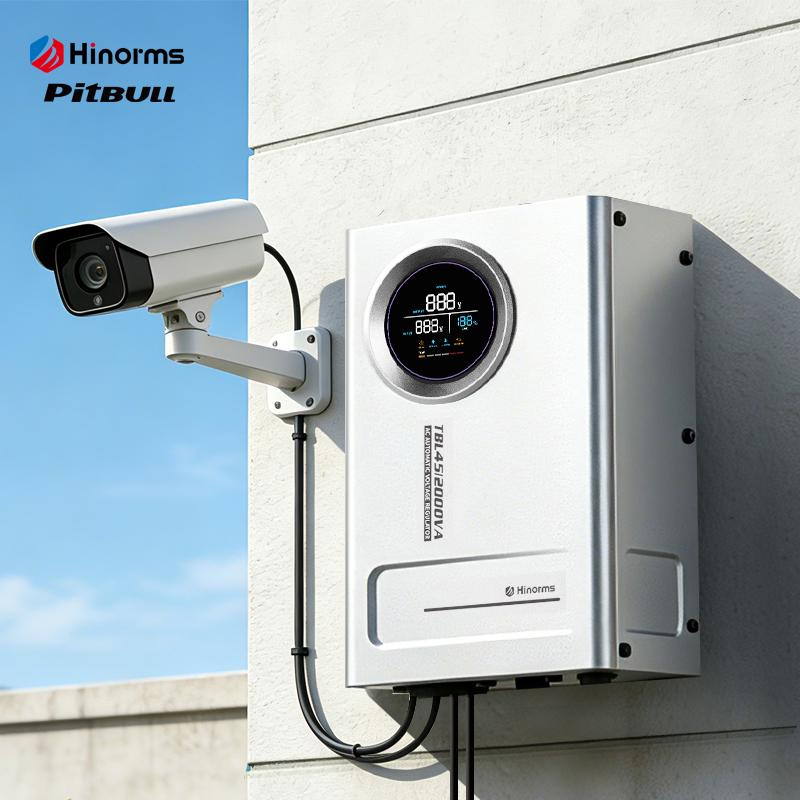
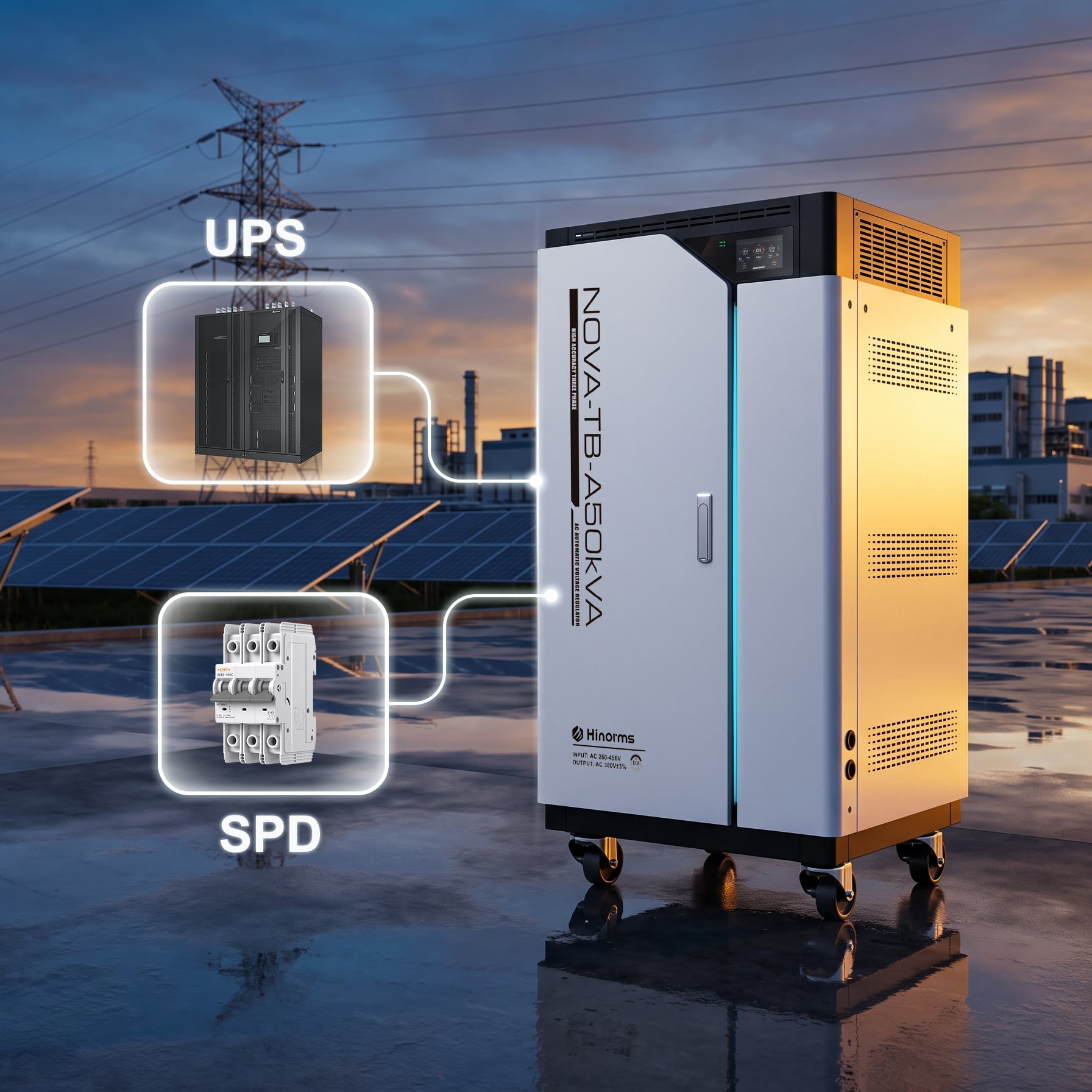
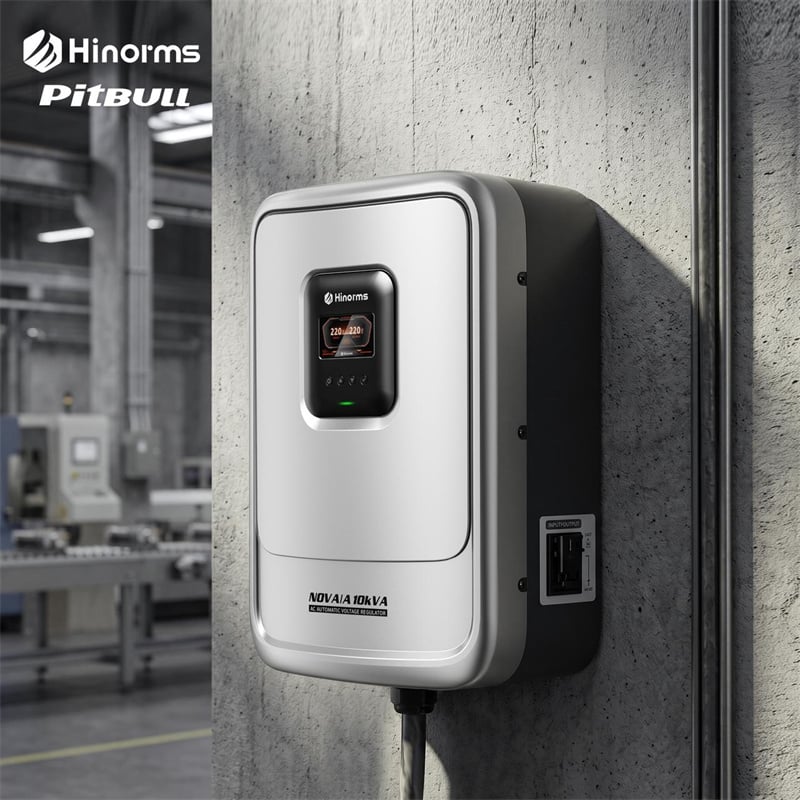
Choosing the right 220V AC regulator is essential for ensuring stable voltage conditions in various industrial and commercial applications. A reliable regulator enhances the performance and longevity of electrical equipment by providing a consistent power supply, combating voltage fluctuations, and protecting sensitive devices. B2B buyers, including purchasing managers and engineers, often face concerns regarding product specifications, customization options, and overall value for money. This article aims to clarify what to consider when selecting a 220V AC regulator, helping you make informed purchasing decisions.
Key Specifications to Compare in 220V AC Regulators for Bulk Orders
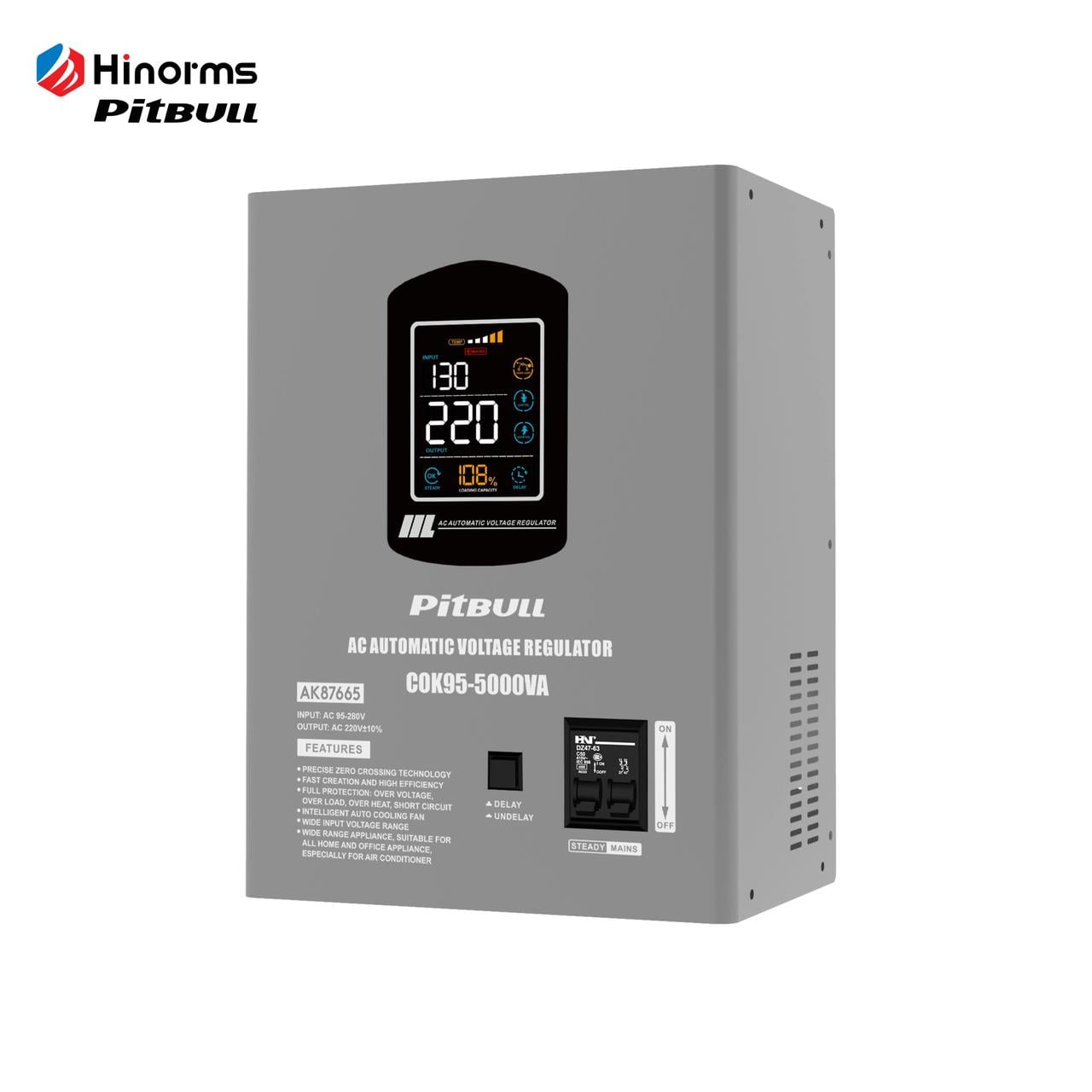
When evaluating 220V AC regulators for bulk orders, focus on specifications such as output voltage stability, load capacity, efficiency ratings, and temperature range. Output voltage stability indicates how well the regulator maintains a constant voltage under varying load conditions. A stability rating of ±5% or better is generally advisable for sensitive applications.
Load capacity, measured in VA (volt-amperes), should exceed your maximum anticipated load to ensure reliable operation. Efficiency ratings, expressed as a percentage, reflect the regulator's ability to convert input power to output power without significant losses. Higher efficiency can reduce operating costs over time. If you're looking for efficiency, consider the Servo Motor Type Voltage Regulator UVC Series for its superior ratings.
Temperature range is also a critical specification. Ensure the regulator is designed to operate within the environmental conditions of your facility. Extreme temperatures can shorten lifespan and affect performance, so confirming suitability for your specific operating environment is essential.