EN

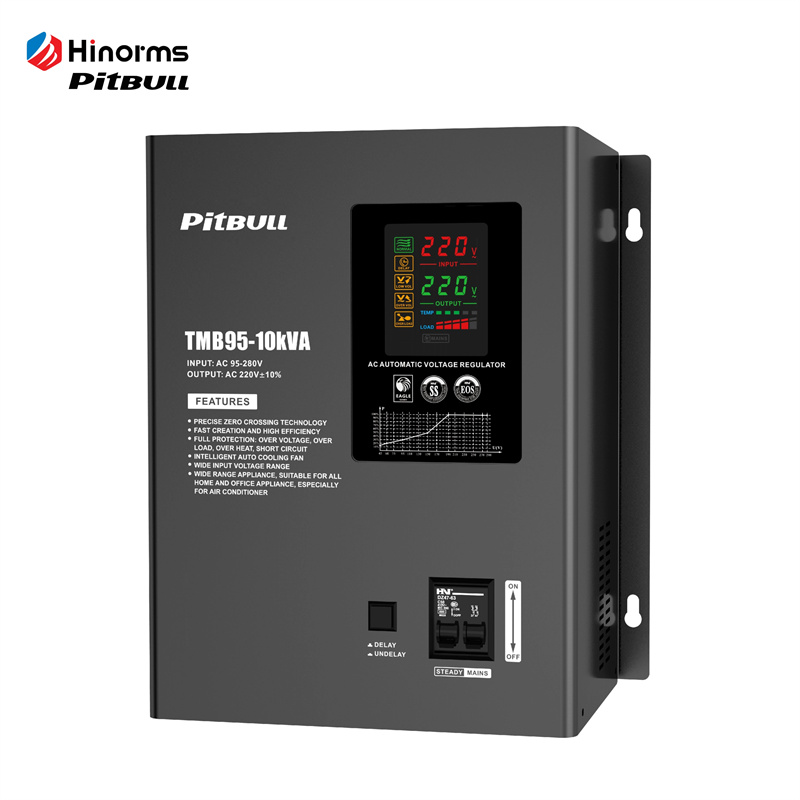
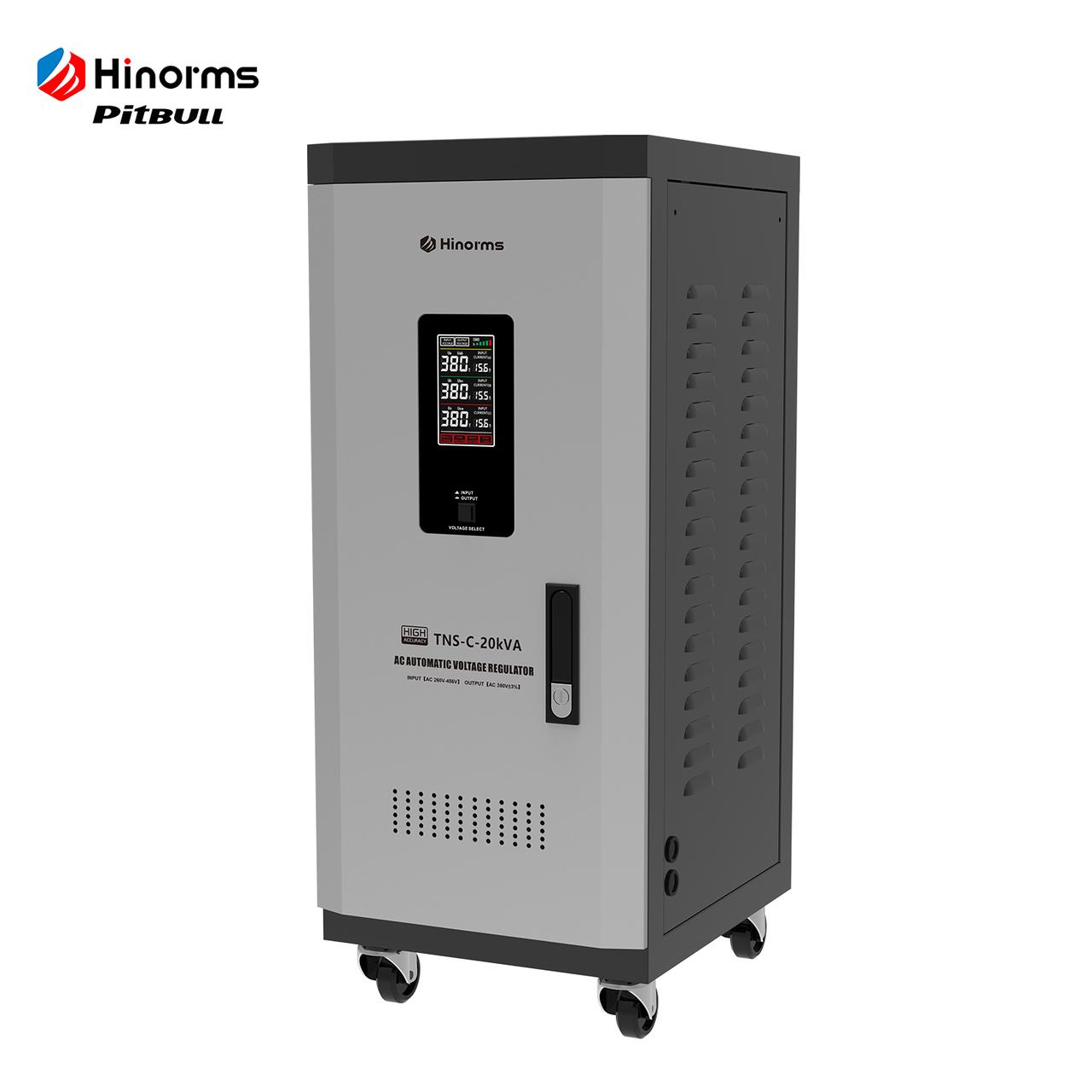
A 220V power regulator is a crucial device for ensuring stable and consistent voltage levels in electrical systems. For B2B buyers, particularly purchasing managers and engineers, understanding the specifications, installation challenges, and application suitability of these regulators is essential. This article will guide you through the key considerations when selecting a 220V power regulator, sourcing reliable suppliers, evaluating costs, addressing common installation challenges, and exploring its applications across various industries.
Where to Find Reliable Suppliers for 220V Power Regulators
Finding a trustworthy supplier for 220V power regulators involves thorough research and evaluation of potential candidates. Start by looking for manufacturers with a proven track record in the industry. Established companies often demonstrate reliability through their experience in producing high-quality voltage stabilizers and adhering to industry standards.
Leverage industry networks and trade associations to identify reputable suppliers. Attending trade shows and industry conferences can also provide opportunities to connect with manufacturers directly, allowing you to assess their products firsthand. When evaluating suppliers, consider their manufacturing capabilities and quality control processes. A manufacturer who develops core components in-house is likely to have better control over product quality and performance.
Finally, request references or case studies from potential suppliers to gauge their experience with similar projects. This can offer insights into their reliability, customer service, and ability to support your specific operational needs.