Three-Phase Voltage Stabilizers: A Comprehensive Guide

All Categories

Voltage stabilizer 3 phase

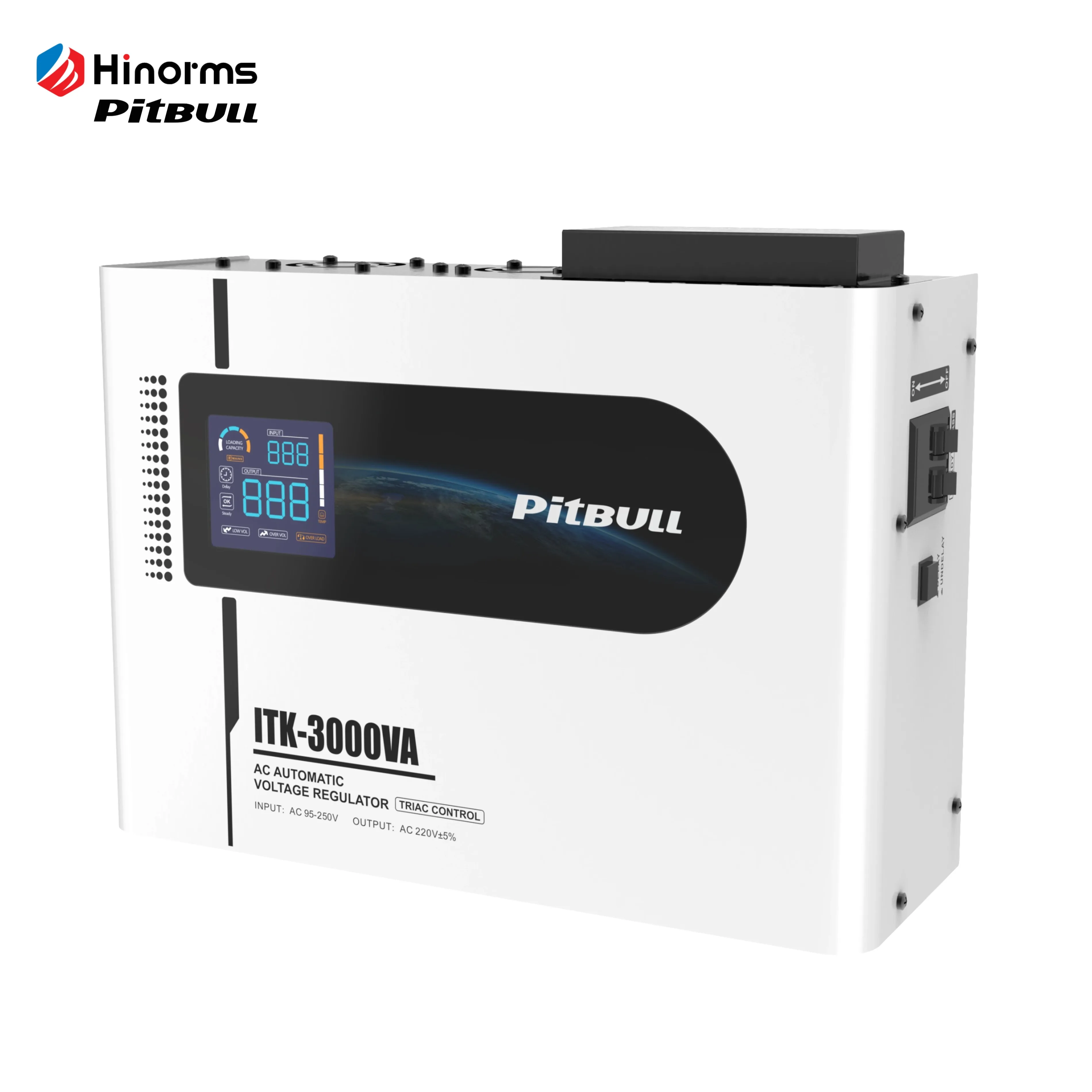
Voltage stabilizers are crucial components in maintaining the efficiency and reliability of electrical systems, particularly in industrial settings. A Hinorms three-phase generator voltage stabilizer is designed to regulate voltage fluctuations and ensure stable power supply across three-phase systems, which are commonly used in heavy machinery and large-scale manufacturing operations. This article will help purchasing managers and other B2B buyers understand the specifications, quality standards, cost evaluation, common problems, and applications of three-phase voltage stabilizers, enabling them to make informed purchasing decisions. 

Our Products

Quality Control Standards for 3 Phase Voltage Stabilizers Explained

Adhering to quality control standards is essential in the manufacturing of three-phase voltage stabilizers. The following aspects outline how quality is ensured throughout the production process: 

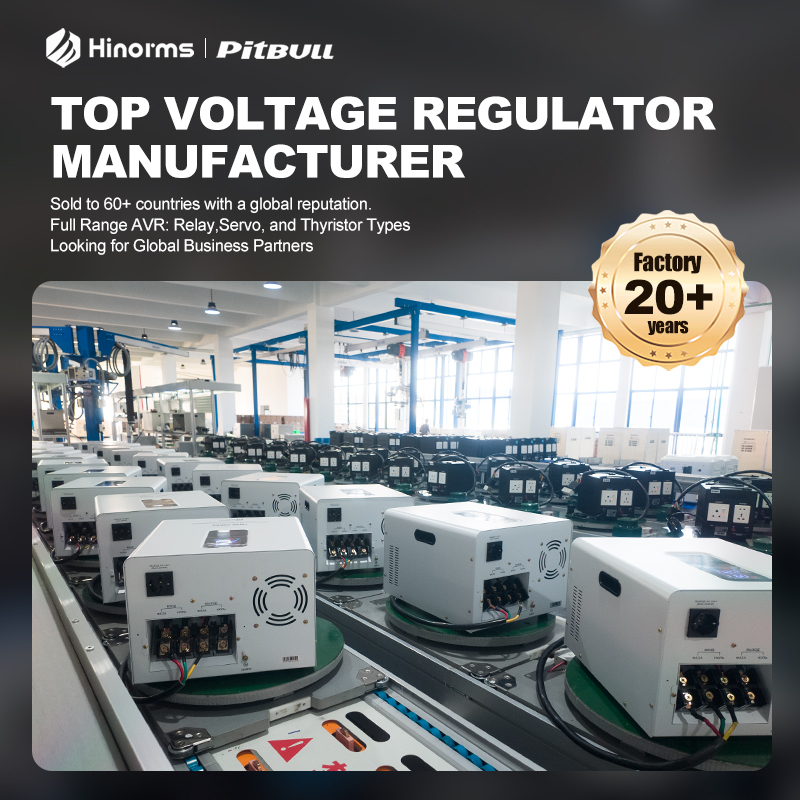
In-House Component Development: By manufacturing all core components in-house, we maintain stringent quality control from the very start of the production process. This approach allows for consistent performance and reliability across all products. 

Comprehensive Testing: Each voltage stabilizer undergoes rigorous testing procedures to ensure it meets industry standards and customer specifications. This includes testing for voltage stability, efficiency, and response time under various load conditions. 

Industry Standards Compliance: As the official drafter of national industry standards, we ensure that our products comply with all relevant regulations. This adherence not only assures product quality but also builds trust with our clients. 

Traceability: Full traceability for every unit produced allows us to track components and manufacturing processes. This is vital for identifying any issues that arise post-production and for implementing corrective actions. 

Through these quality control measures, buyers can be confident in the reliability and performance of the voltage stabilizers they choose. 
How to Evaluate the Cost of 3 Phase Voltage Stabilizers

Evaluating the cost of three-phase voltage stabilizers involves considering various factors beyond just the unit price: 

Specifications and Features: Higher specifications, such as wider input voltage ranges and faster response times, typically result in higher costs. Assess whether these features align with your operational needs. 

Customization Requirements: If your application requires tailored solutions or specific features, additional costs may be incurred. Discuss customization options early in the procurement process to understand the implications for pricing. 

Quality Assurance and Certifications: Products that adhere to stringent quality control standards and certifications may carry a premium price tag. However, investing in higher-quality products can lead to lower long-term operational costs due to reduced failure rates and maintenance needs. 

Volume Discounts: If purchasing in bulk, inquire about volume discounts. Suppliers may offer price reductions for larger orders, which can significantly impact overall project costs. 

Installation and Maintenance: Factor in costs related to installation, maintenance, and potential downtime during installation. Understanding these costs upfront can help in accurately budgeting for the overall investment. 

By considering these aspects, buyers can effectively evaluate the total cost of ownership for Hinorms automatic electronic voltage stabilizer. 

Common Problems with 3 Phase Voltage Stabilizers and Their Solutions

Like any technical equipment, three-phase voltage stabilizers can encounter issues that may affect performance. Here are some common problems and their solutions: 

Overloading: When the load exceeds the stabilizer's power rating, it can lead to overheating and failure. To prevent this, ensure that the stabilizer's capacity exceeds the combined load of all connected equipment. Regular monitoring of load conditions is advisable to avoid overload situations. 

Voltage Fluctuations: If the stabilizer fails to stabilize voltage effectively, it could be due to issues with its internal components. Regular maintenance checks and prompt replacement of worn components can help maintain performance. 

Noise and Heat Generation: Excessive noise or heat can indicate mechanical or electrical issues. Ensure that the stabilizer is installed in a well-ventilated area and that all fans and cooling systems are functioning properly to mitigate these issues. 

Calibration Failures: Inaccurate calibration can lead to incorrect voltage output. Routine calibration checks should be part of the maintenance schedule to ensure ongoing accuracy and reliability. 

Addressing these common issues proactively can extend the lifespan of voltage stabilizers and ensure optimal performance. 

Applications of 3 Phase Voltage Stabilizers in Various Industries

Three-phase voltage stabilizers are utilized across a wide range of industries due to their ability to provide stable power supply. Here are some applications: 

Manufacturing: In manufacturing facilities, voltage stabilizers protect sensitive machinery from voltage fluctuations, ensuring consistent production quality and reducing equipment downtime. 

Construction: Construction sites often use heavy machinery that demands stable power supply. Voltage stabilizers help mitigate the risks associated with fluctuating power sources, ensuring worker safety and operational efficiency. 

Telecommunications: In telecom networks, voltage stability is crucial for the functioning of communication equipment. Hinorms digital automatic voltage stabilizer safeguard against disturbances, maintaining uninterrupted service. 

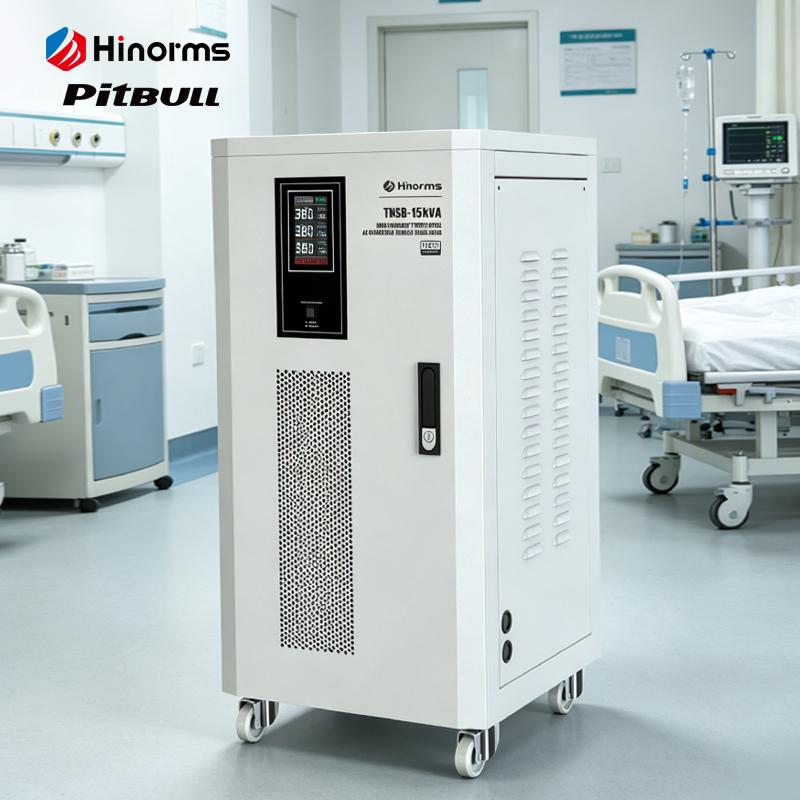
Healthcare: Medical equipment, which often requires precise voltage levels, benefits from voltage stabilizers to ensure reliable operation, thereby protecting patient safety. 

Data Centers: Voltage fluctuations can lead to data loss and equipment damage in data centers. Stabilizers play a key role in providing a stable power environment, essential for continuous operation. 

By understanding the diverse applications of three-phase voltage stabilizers, buyers can appreciate their value and make informed decisions regarding their purchase and implementation. 

Understanding the Specifications of 3 Phase Voltage Stabilizers

When evaluating a three-phase voltage stabilizer, several key specifications should be considered: 

Input Voltage Range: This indicates the range of voltage that the stabilizer can accept. It's essential to ensure that the stabilizer can accommodate the voltage levels commonly experienced in your specific application. If the input voltage range is too narrow, the stabilizer may not perform reliably under variable conditions. 

Output Voltage Stability: The output voltage should remain constant, even when input voltage fluctuates. Look for specifications that define the permissible voltage deviation, typically expressed in percentage terms. This stability is critical for sensitive equipment that requires precise voltage levels. 

Power Rating: Measured in kVA (kilo-volt-amperes), the power rating indicates the maximum load the stabilizer can handle. Ensure that the stabilizer's capacity aligns with the total load of the connected equipment to prevent overload, which could lead to equipment failure or damage. 

Response Time: This metric measures how quickly the stabilizer can adjust to voltage changes. A faster response time can protect sensitive equipment from damage during sudden surges or drops in voltage. 

Efficiency: The efficiency rating shows how much of the input power is converted into usable output power. Higher efficiency reduces energy costs and minimizes heat generation, which can prolong the lifespan of the stabilizer. By thoroughly understanding these specifications, buyers can select a voltage stabilizer that best fits their operational requirements. 

Frequently Asked Questions

What is a 3-phase voltage stabilizer used for?

A 3-phase voltage stabilizer maintains steady voltage across three-phase systems, protecting industrial motors, machinery, and critical loads from voltage fluctuations and ensuring continuous operation.
Ranges are customizable; typical units handle wide unbalance and fluctuations common locally. Contact us with site voltage data for exact input/output specifications and recommended model.
We develop core components in-house, use advanced software control, and perform comprehensive quality checks and traceability to ensure consistent, reliable performance.
Yes. We provide tailored electrical solutions based on load, environment, and regulatory needs, with full traceability and performance validation for each unit.
We offer routine maintenance guidelines, remote diagnostics via software controls, and manufacturer warranty terms. Contact sales for specific warranty duration and maintenance schedules.

Our Blog Posts

AVR Technology in 2025: Smarter, Greener, and More Reliable Power Protection

18

Nov

AVR Technology in 2025: Smarter, Greener, and More Reliable Power Protection

The yard of energy high top premium is actually quickly developing, as well as at Quzhou Sanyuan Huineng Electronic Co., Ltd., our team go to the forefront of this particular change. As our team appearance in the direction of 2025, Auto...
View More
Power Quality in Hospitals: Why Medical-Grade Voltage Protection Is Non-Negotiable

06

Mar

Power Quality in Hospitals: Why Medical-Grade Voltage Protection Is Non-Negotiable

The dependability of electrical energy in a modern hospital is not a question of operational convenience only, but also a key attribute of patient safety and care efficacy. Hospitals are overcrowded with advanced electronic devices such as MRI machi...
View More
Voltage Stabilization for CNC Machining: Protecting Precision, Ensuring Quality

06

Mar

Voltage Stabilization for CNC Machining: Protecting Precision, Ensuring Quality

Computer Numerical Control or CNC machining is the foundation of precision engineering in the current manufacturing environment. These advanced machines are used to create physical objects using digital designs and tolerances in the microns regime. ...
View More
TNSB 3 Phase Regulator: Noise Levels in Quiet Environments

15

Jun

TNSB 3 Phase Regulator: Noise Levels in Quiet Environments

For any library, studio, executive suites, luxury residences, hospital-in fact every institution in the above list requires one amenity: peace and quiet. Even noisy electrical equipment must be completely unheard here. It’s been a standard unde...
View More

Let’s Build Business Together — For Distributors, Dealers & Partners

We warmly welcome inquiries from distributors and business partners. Retail services are not available at this time. Thank you for your understanding.
Name
Email
Company
Phone/WhatsApp
Message
0/1000
Three-Phase Voltage Stabilizers: A Comprehensive Guide

Let’s Build Business Together — For Distributors, Dealers & Partners

We warmly welcome inquiries from distributors and business partners. Retail services are not available at this time. Thank you for your understanding.
Name
Email
Company
Phone/WhatsApp
Message
0/1000