Choosing a Stabilizer for AC Systems

All Categories

Stabilizer in ac

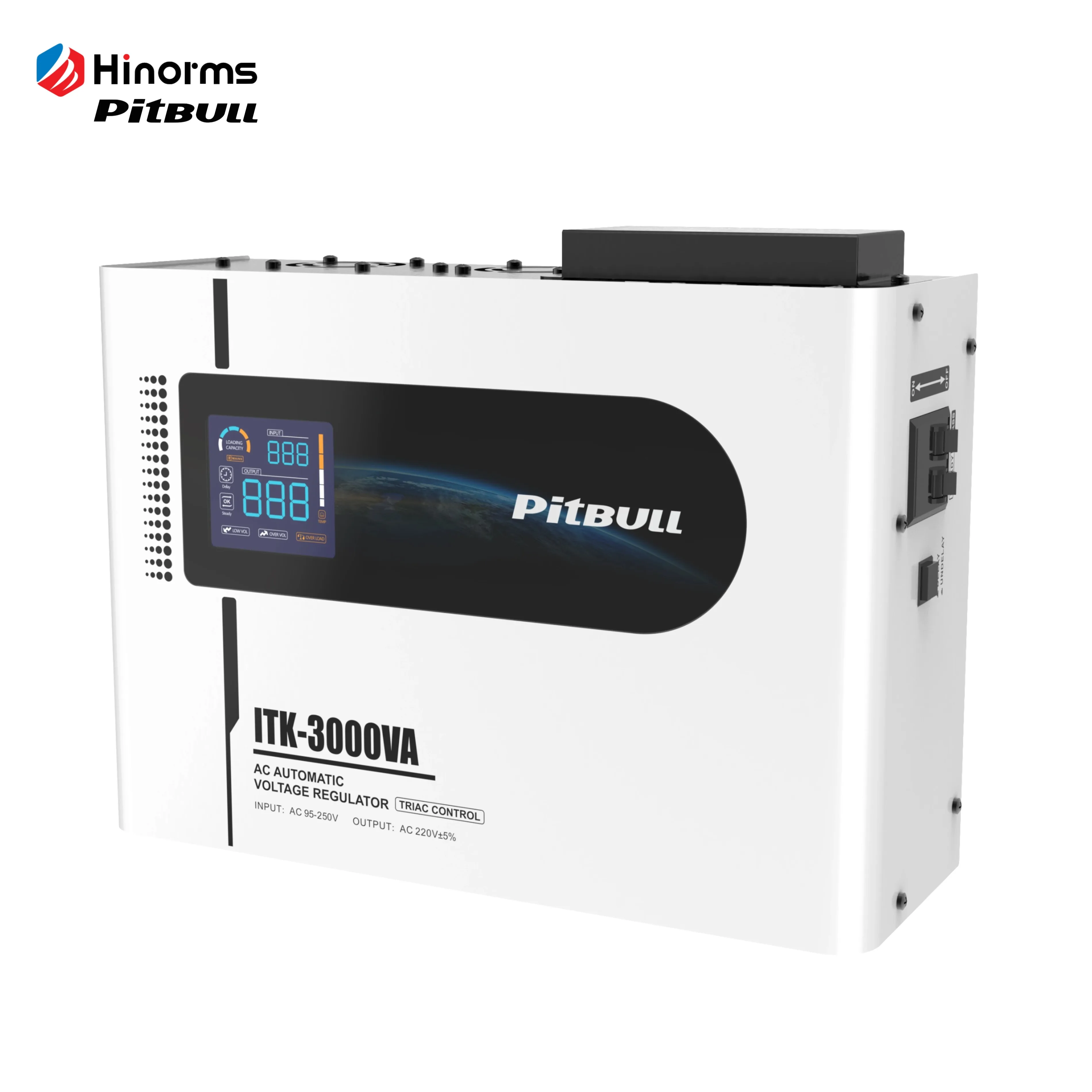
Voltage stabilizers are essential components in maintaining the efficiency of air conditioning (AC) systems, especially in areas with fluctuating power supply. An automatic voltage stabilizer in AC applications helps protect sensitive electronic components from voltage spikes and drops, ensuring consistent performance and longevity. For B2B buyers, the main concerns revolve around selecting a reliable stabilizer that meets specific application needs, understanding technical specifications, and sourcing from a reputable manufacturer like Hinorms. This article aims to provide insights into choosing the right stabilizer for AC systems, examining key specifications, sourcing options, common issues, and installation guidance.  

Our Products

Key Specifications of High-Quality Stabilizers for Air Conditioners

High-quality stabilizers for AC systems come with specific technical specifications that are crucial for performance. Key specifications include: 

Input and Output Voltage: Confirm the acceptable input voltage range and ensure the output voltage aligns with the requirements of the AC unit. This specification affects the stabilizer's ability to maintain voltage levels during fluctuations. 

Load Capacity: Measured in kilovolt-amperes (kVA), the load capacity indicates how much power the stabilizer can handle. It is essential to choose a stabilizer for AC systems that exceeds the total wattage of the AC system. 

Response Time: This is the duration it takes for the stabilizer to react to voltage fluctuations. A response time of fewer than 20 milliseconds is generally recommended for AC applications. 

Protection Features: Look for stabilizers for AC systems that include multiple protection features, such as overload protection, short circuit protection, and thermal cut-off. These features help prevent damage to both the stabilizer and the AC unit. 

Efficiency Rating: The efficiency rating indicates how well the stabilizer converts input voltage to output voltage. Higher efficiency ratings reduce energy loss and contribute to cost savings. 

By understanding these specifications, buyers can make informed decisions when evaluating potential stabilizers for their AC systems. 
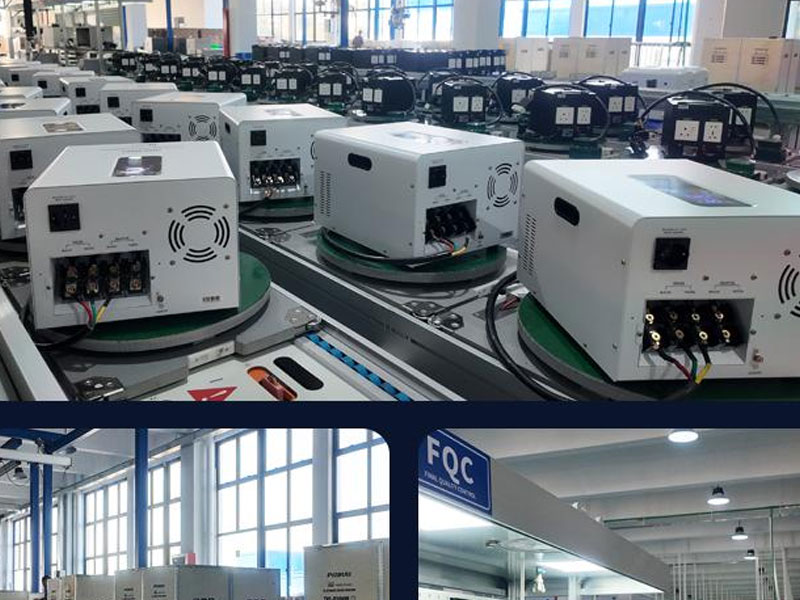
Where to Source Reliable Voltage Stabilizers for Air Conditioning

Sourcing reliable voltage stabilizers requires thorough research and evaluation of potential suppliers. Begin by identifying manufacturers with a strong reputation in the industry, particularly those recognized as leaders in voltage stabilization technology. Look for companies like Hinorms that develop core components in-house, as this often leads to better quality control and performance reliability.  

Request product samples to assess quality before placing large orders. Evaluate the manufacturer’s certifications, such as ISO standards, which can provide assurance of their quality management systems.  Additionally, consider suppliers who can offer customization options to meet specific application requirements. 

Trade shows and industry conferences are excellent venues for networking with manufacturers and distributors. Engage in discussions about their product offerings and request detailed specifications, pricing, and lead times. Online platforms and industrial marketplaces can also facilitate sourcing, but ensure to verify the credibility of suppliers through reviews and ratings. 

Common Problems with AC Stabilizers and Effective Solutions

Despite their essential role, AC stabilizers can encounter several common issues. One prevalent problem is overheating, often caused by incorrect sizing for the load capacity. To avoid this, always ensure the stabilizer's kVA rating exceeds the total wattage of the connected AC units. 

Another common issue is failure due to voltage spikes, which can occur if the stabilizer lacks adequate surge protection features. Selecting a digital automatic voltage stabilizer with built-in surge protection can mitigate this risk. 

Additionally, inadequate response time may lead to damage during voltage fluctuations. Buyers should prioritize stabilizers with fast response times (under 20 milliseconds) to protect sensitive electronic components in AC systems. 

Regular maintenance is also crucial. Periodically checking connections, cleaning dust from the unit, and ensuring that the stabilizer for AC systems is functioning correctly can prolong its lifespan and effectiveness. 

Installation Guidance for Voltage Stabilizers in Air Conditioning Units

Proper installation of voltage stabilizers is critical for their effective operation. Follow these steps to ensure correct installation: 

Location: Place the stabilizer for AC systems in a well-ventilated area away from direct sunlight, moisture, and dust. This helps prevent overheating and ensures reliable performance. 

Electrical Connections: Ensure all electrical connections are secure and appropriately rated for the load.  Use insulated cables to prevent short circuits and ensure compliance with local electrical codes. 

Grounding: Adequately ground the stabilizer to prevent electrical shocks and equipment damage. Consult local regulations for grounding requirements. 

Testing: After installation, conduct a thorough test of the stabilizer's performance with the AC unit. Monitor the voltage output to confirm it remains within the acceptable range. 

User Manual: Always refer to the manufacturer’s user manual for specific installation instructions and troubleshooting tips. This documentation can provide valuable insights into maintaining the stabilizer for AC systems. 

By adhering to these installation guidelines, buyers can maximize the performance and lifespan of their voltage stabilizers, ensuring reliable operation of their AC systems. 

What to Consider When Choosing a Stabilizer for AC Systems

When selecting a stabilizer for AC systems, several factors must be considered to ensure optimal performance. First, assess the power rating of the stabilizer, which should match or exceed the AC unit's power requirement. This ensures the stabilizer for AC systems can handle the load without overheating or failing. 

Next, consider the input voltage range. A stabilizer for AC systems with a wide input range can accommodate fluctuations in the local power supply, making it more versatile. Look for 5kva stabilizers with built-in features like automatic voltage regulation (AVR) to enhance protection against voltage spikes. 

Another critical factor is the response time of the stabilizer for AC systems. A fast response time minimizes the risk of damage to the AC unit during power fluctuations. Additionally, check for certifications and compliance with national standards, which can indicate reliability and quality assurance. 

Frequently Asked Questions

What is this stabilizer for air conditioners?

A voltage stabilizer for AC protects air conditioners from voltage fluctuations by maintaining stable input voltage, ensuring safe and efficient operation and preventing compressor damage.
Select a stabilizer rated slightly above your AC's starting current (typically 1.2–1.5 times the running wattage). Contact our sales with model and power details for precise sizing.
Yes. Our stabilizers are tailored to local power grids with software-controlled regulation and in-house components to handle regional fluctuations reliably.
Includes over-voltage, under-voltage, surge protection, short-circuit and thermal protection, plus automatic bypass and soft-start to protect the compressor.
Yes. We provide full traceability for every unit and offer customization of control settings and components to meet specific site or performance requirements.

Our Blog Posts

TCO Analysis: How an Industrial Voltage Stabilizer Pays for Itself in Energy Savings

31

Jan

TCO Analysis: How an Industrial Voltage Stabilizer Pays for Itself in Energy Savings

For center supervisors as well as plant operators, the quest of power effectiveness is a continuous harmonizing action in between in advance investment as well as long-term increase. While significant devices upgrade frequently control the conversati...
View More
Voltage Stabilizers for Refrigerators: Extending Appliance Lifespan

25

Feb

Voltage Stabilizers for Refrigerators: Extending Appliance Lifespan

The fridge is one of the domestic requirements of our lives and a reliable aide of our fresh goods and domestic necessities. It is a twenty five hours a day and night laborer. However, its ever-operative nature preconditions it to a comprehensive thr...
View More
TNS 3 Phase Regulator: Expansion Options for Growing Businesses

15

May

TNS 3 Phase Regulator: Expansion Options for Growing Businesses

As a growing business expands its operational scope, so must its electrical infrastructure. With added equipment like CNC machines, industrial ovens, compressors or production lines, the total electrical load increases and produces voltage instabili...
View More
3 Phase Voltage Regulators for Wind Turbines: Output Stabilization

01

Jun

3 Phase Voltage Regulators for Wind Turbines: Output Stabilization

One of the quickest-growing renewable energy technologies is wind power; however it has a fundamental problem - it is not predictable. Output voltage from a wind turbine varies constantly in direct response to changes in wind speed, gusts and turbu...
View More

Let’s Build Business Together — For Distributors, Dealers & Partners

We warmly welcome inquiries from distributors and business partners. Retail services are not available at this time. Thank you for your understanding.
Name
Email
Company
Phone/WhatsApp
Message
0/1000
Choosing a Stabilizer for AC Systems

Let’s Build Business Together — For Distributors, Dealers & Partners

We warmly welcome inquiries from distributors and business partners. Retail services are not available at this time. Thank you for your understanding.
Name
Email
Company
Phone/WhatsApp
Message
0/1000